Panel Discussion on Venezuela Earthquake 2026: Key Challenges and Lessons for Nepal (20 July 2026)
Panel Discussion on Venezuela Earthquake 2026: Key Challenges and Lessons for Nepal (20 July 2026)
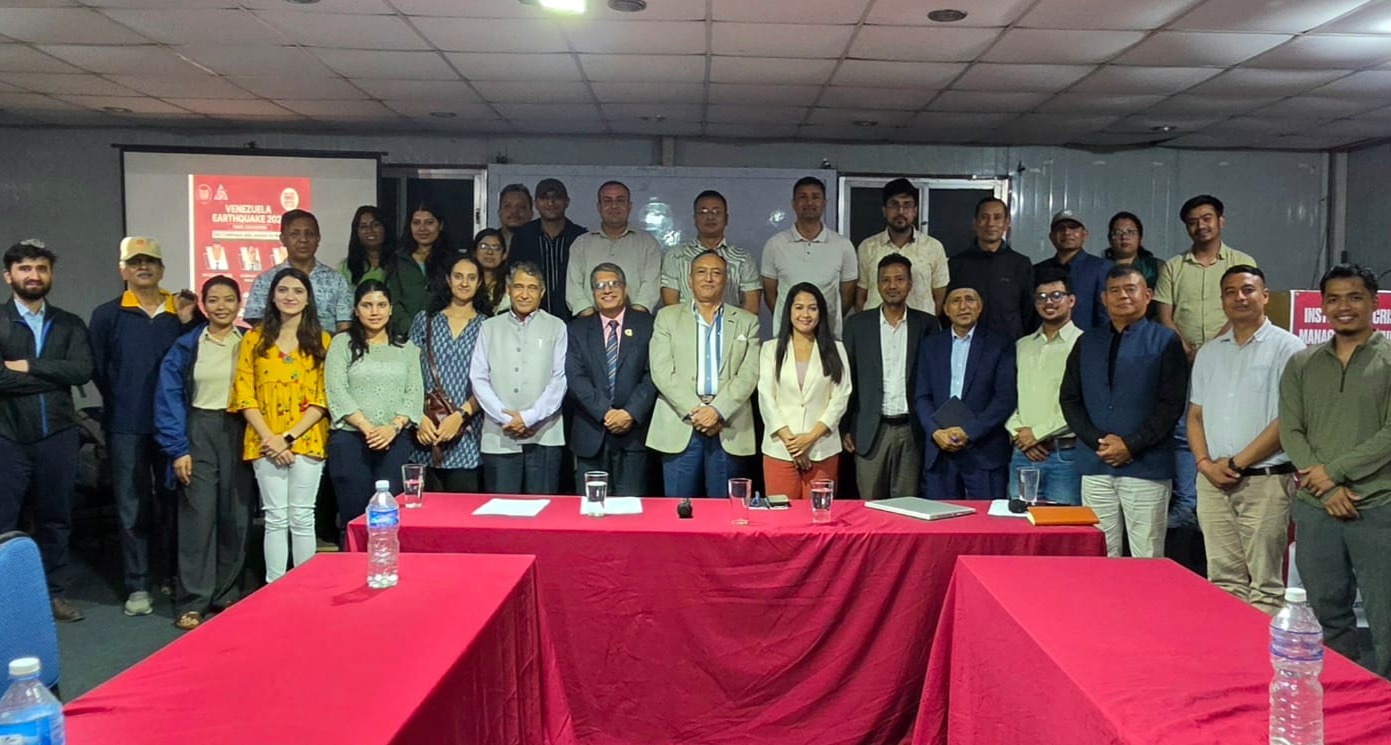
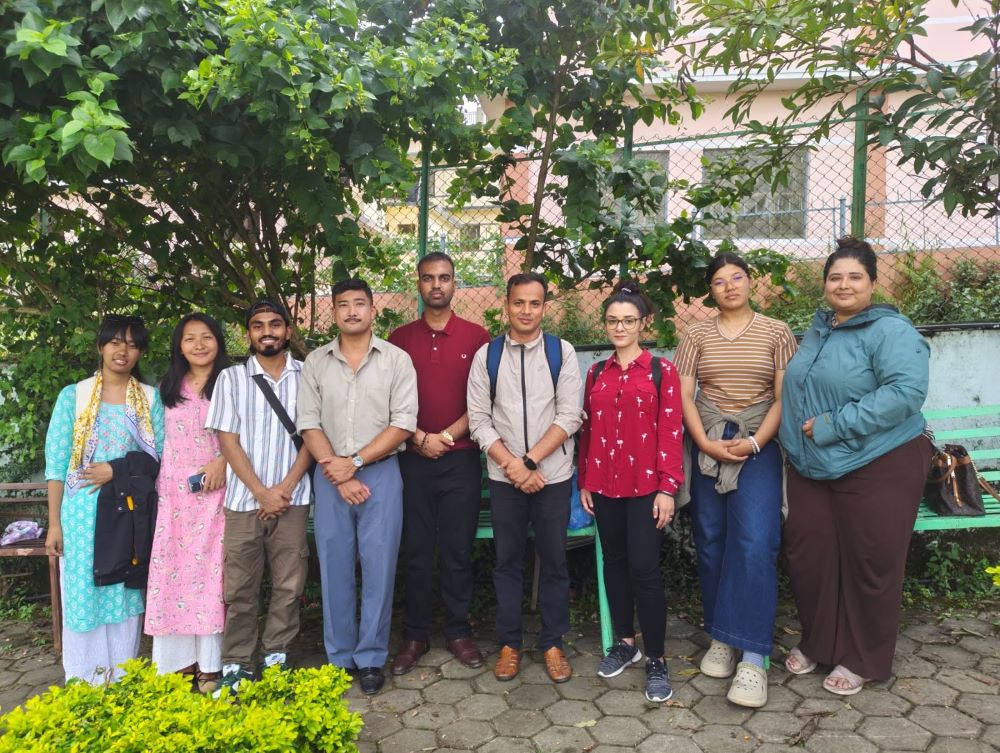
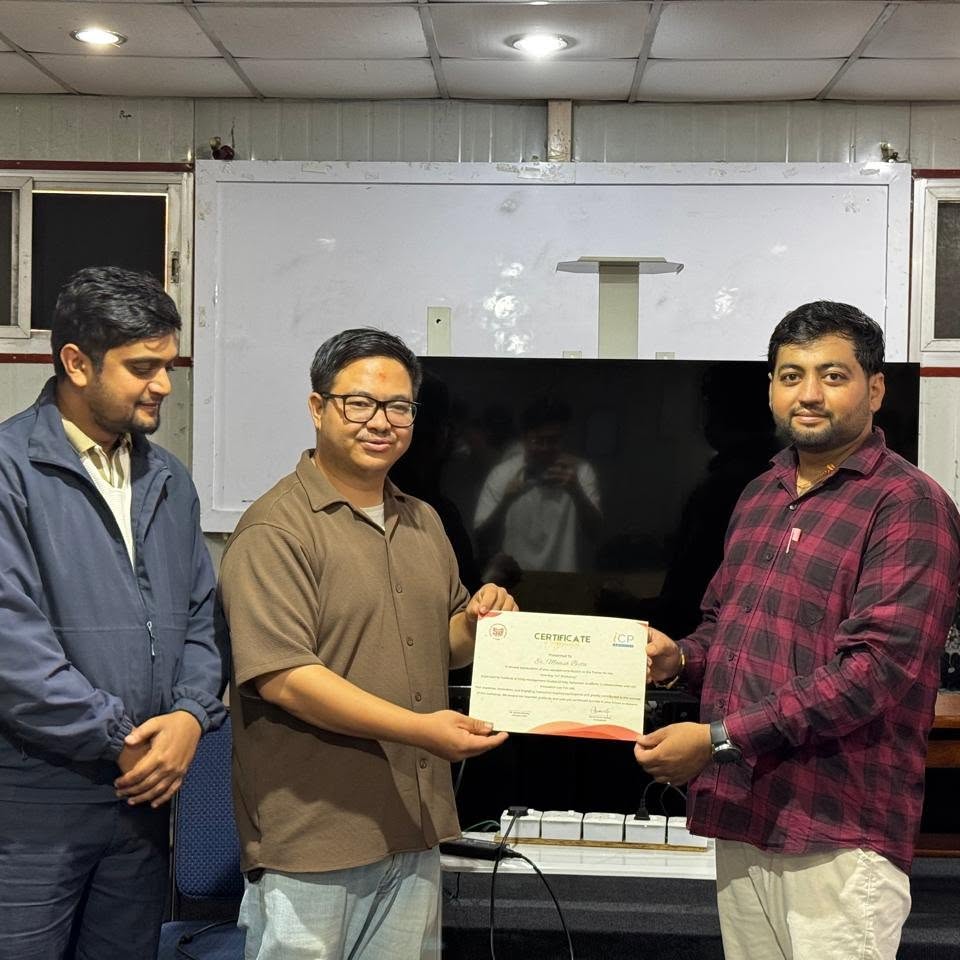
The Institute of Crisis Management Studies (ICMS), Samarpan Academy successfully organized a panel discussion on "Venezuela Earthquake 2026: Key Challenges and Lessons for Nepal," bringing together experts, students, faculty, and distinguished guests to discuss the broader implications of the disaster and the lessons it offers for Nepal.
The program was chaired by IGP (Retd.) Sanat Kumar Basnet, Chairperson of the Board of Samarpan Academy, and moderated by Dr. Asmita Khadka, Campus Chief of ICMS. The distinguished panel featured Prof. Dr. Tara Nidhi Bhattarai, Senior Geologist; Dr. Raju Thapa, Disaster Management Expert; and Senior Advocate Dr. Khim Lal Devkota.
The discussion covered the seismological and geological characteristics of the Venezuela earthquake, its humanitarian and socio-economic impacts, response challenges, international support, the influence of geopolitics on disaster resilience, and a comparison of earthquake risk reduction in Nepal and Venezuela. Students, faculty members, panelists, and guests actively participated throughout the discussion, contributing insightful questions and perspectives.
Key takeaways included:
➜ Nepal and Venezuela share many common challenges, including weak enforcement of building codes, coordination gaps during disaster response, and institutional limitations.
➜ Effective implementation and enforcement of Disaster Risk Reduction (DRR) policies and building codes are essential.
➜ Greater accountability and awareness of roles and responsibilities among institutions, professionals, and decision-makers are critical.
➜ Public awareness on earthquake preparedness, including practical knowledge on how to respond and survive during an earthquake, should be continuously promoted.
➜ Disaster Risk Reduction (DRR) should be further integrated into school curricula and reinforced through regular earthquake drills.
➜ Nepal should continue strengthening its earthquake early warning system by learning from countries such as Japan, alongside improving public preparedness and response mechanisms.
The discussion reinforced that while earthquakes cannot be prevented, their devastating impacts can be significantly reduced through stronger governance, effective preparedness, coordinated response, greater public awareness, and the proper implementation of Disaster Risk Reduction (DRR) policies.
Related Our Activities